Kavafam — The Kava Journal — Entry No. 04
Kava bars
What Is a Kava Bar? Your Complete Guide
Everything that happens between walking in the door and becoming a regular. The drink, the vibe, the menu, the etiquette, and why the whole thing works.
~10 min read
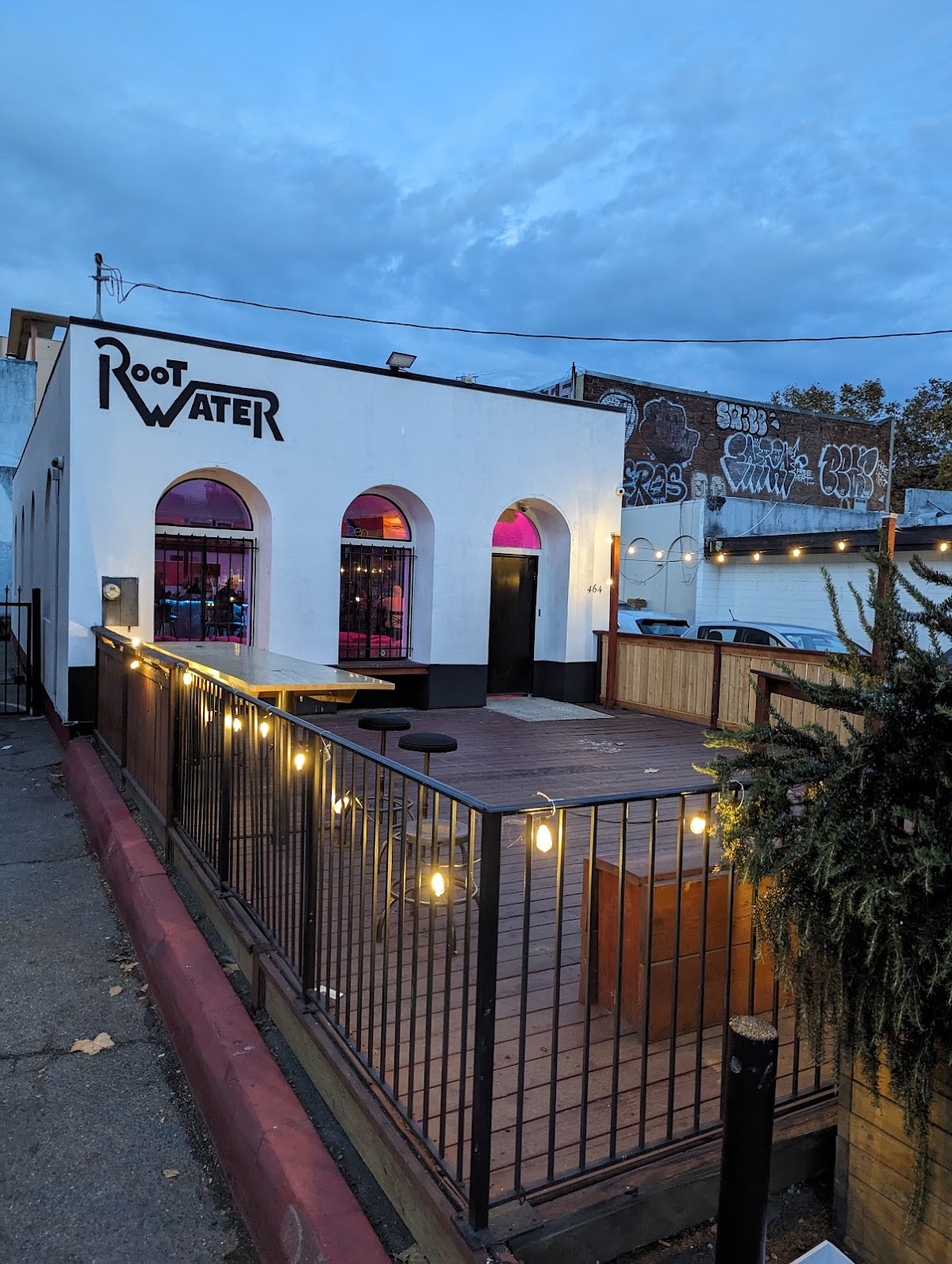
The first time I walked into a kava bar, I did it because I had run out of other options.
Not in a dramatic way. I had moved to a new city, didn't know many people, and had worn through the usual rotation of coffee shops and restaurants and bars that you cycle through when you're trying to feel like you belong somewhere in the evening but don't want to drink. There was a place in my neighborhood called Melo Melo. It had this purple glow coming off it at night — the whole room was purple — and for months I walked past it, curious but not curious enough. The lighting felt specific. Almost intimidating. I didn't know exactly what went on in there.
One day, for whatever reason, I went in, sat at the bar. It was busy, but I was still quickly greeted by the bartender and, as a first timer, got a very warm explanation from the bartender, Andrew, about what kava was, how it worked, and that you drink it for the effects rather than the taste (though kava cocktails and extracts are changing this). I ordered a shell. It tasted like ground-up root and water, because that's what kava is. My tongue did indeed go slightly numb, which Andrew had thankfully prepared me for. I stayed for an hour, kept mostly to myself, and went home feeling calm in a way I hadn't really felt before.
I went back. Then I went back again. That's how it starts.
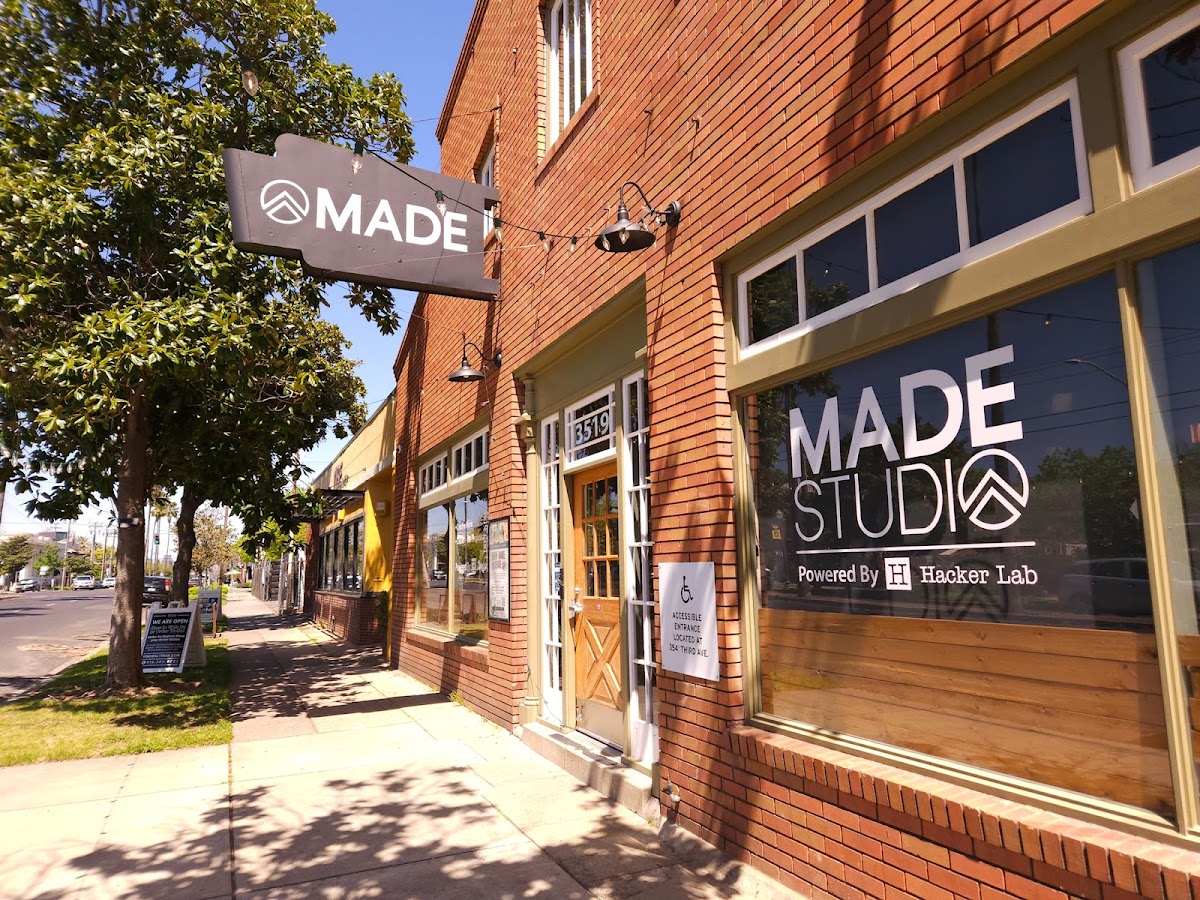
A kava bar is a bar without the alcohol
At the most basic level, a kava bar is a place that serves kava — a drink made from the root of a Pacific Island plant called Piper methysticum — instead of beer, wine, or cocktails. No alcohol - the two do not mix well, as both are processed by the liver. The drink produces a mild, calming effect: your body relaxes, your mind stays clear, and you tend to feel more inclined toward conversation than you would otherwise. There's no intoxication in the way alcohol produces it. No impaired judgment, no slurring, no hangover the next day.
If you've read other articles on KavaFam, you already know what kava is and how it's made. The short version: kavalactones, the active compounds in the root, act on the limbic system to produce relaxation without sedation. Germany approved kava for anxiety disorders in 1990. Clinical studies have found it comparable to benzodiazepines like Xanax and Valium in reducing anxiety symptoms — without the addiction risk, the cognitive impairment, or the drowsiness.
The kava bar takes that feeling and puts it in a social setting. What you get is something that feels like a cross between a coffee shop and a lounge. Relaxed seating. Quiet enough to hear the person next to you. A bartender who will talk to you. A crowd that chose to be there deliberately rather than ending up there by default.
What actually happens when you walk in
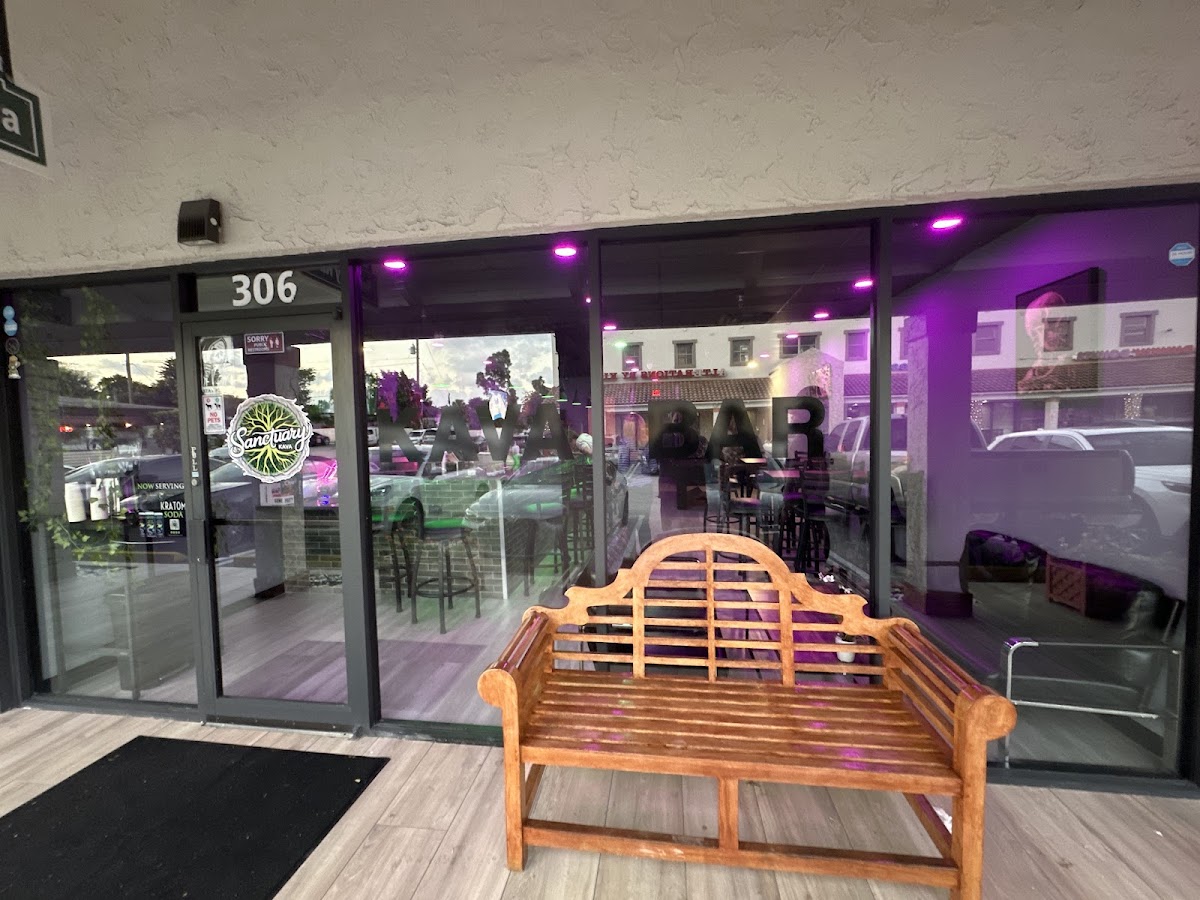
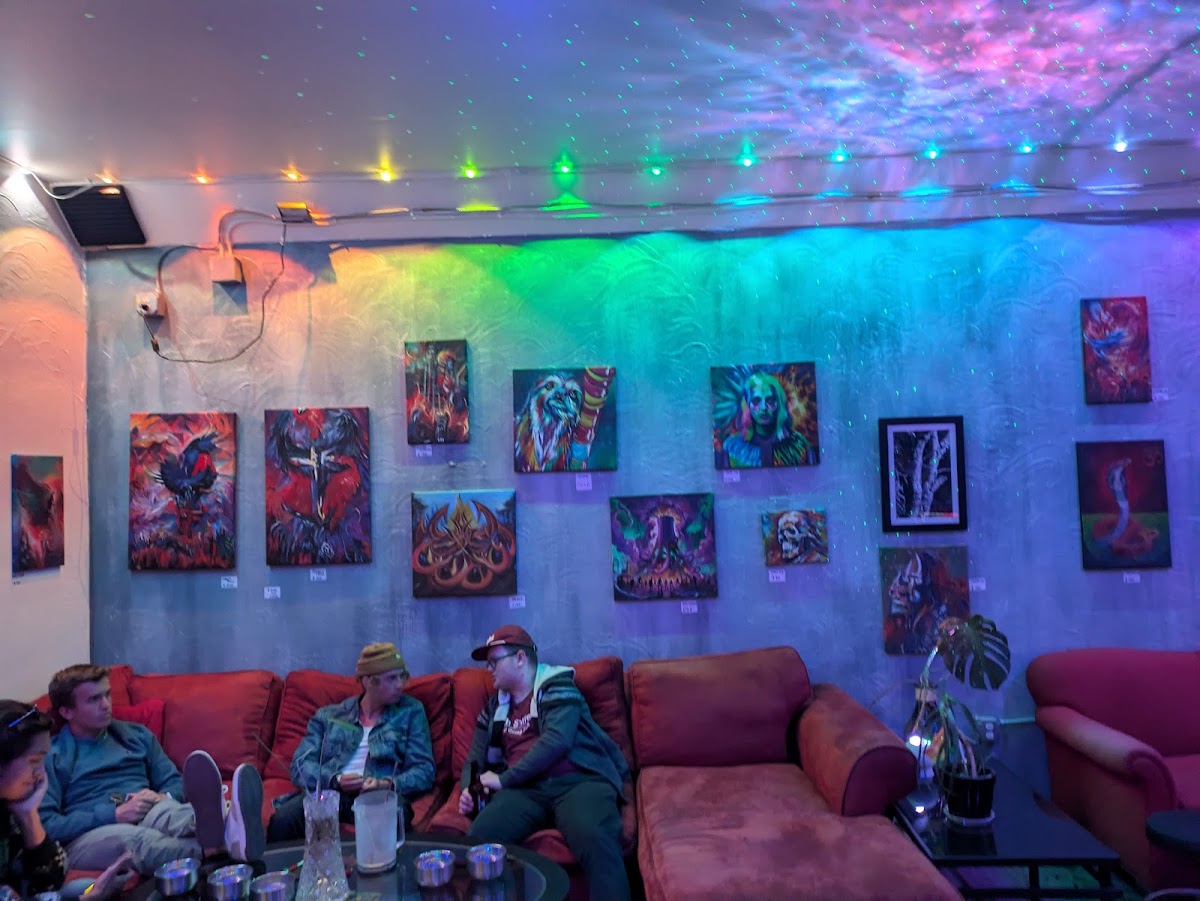
The lighting is often low — warm, and, yes, sometimes purple or red or other neon colors. Some places lean tropical. Others look like a neighborhood coffee shop. A few look like someone's living room with a bar counter. The range is wide, but the energy in the room is consistent: it's calm. Not dead, not sleepy, just noticeably lower-key than a regular bar.
You sit at the bar or at a table. If it's your first time, the bartender — sometimes called a kavatender, sometimes just a bartender — will probably ask if you've had kava before. If you haven't, they'll walk you through it. This is standard. The kava bar world is small enough that first-timers are welcomed rather than tolerated. Nobody is going to make you feel stupid for not knowing what a shell is.
You order. You drink. And you sit there for a while. Most visits last an hour or two. There's no pressure to keep ordering at a pace, no server checking on you every ten minutes, no implied obligation to turn over your seat. The economics of a kava bar are different from a cocktail bar. People come to stay.
The drink kicks in within fifteen to thirty minutes. The first thing you'll notice is a mild numbing sensation on the tip of your tongue. This is normal. It's not going to spread, it's not dangerous, and it stops at a level where it's more curious than uncomfortable. After that, a wave of relaxation settles in — muscular tension loosening, a sort of social warmth that makes it easier to talk to the person next to you or to simply sit in your own thoughts without the restless urge to check your phone.
If you drink enough over the course of an evening, you eventually just get sleepy. That's the built-in off ramp, which may be why the drink is popular with ex-drinkers. There's no escalation into bad decisions. You get sleepy, you go home, you sleep well. The ceiling is low and the floor is high.
What it tastes like (honestly)
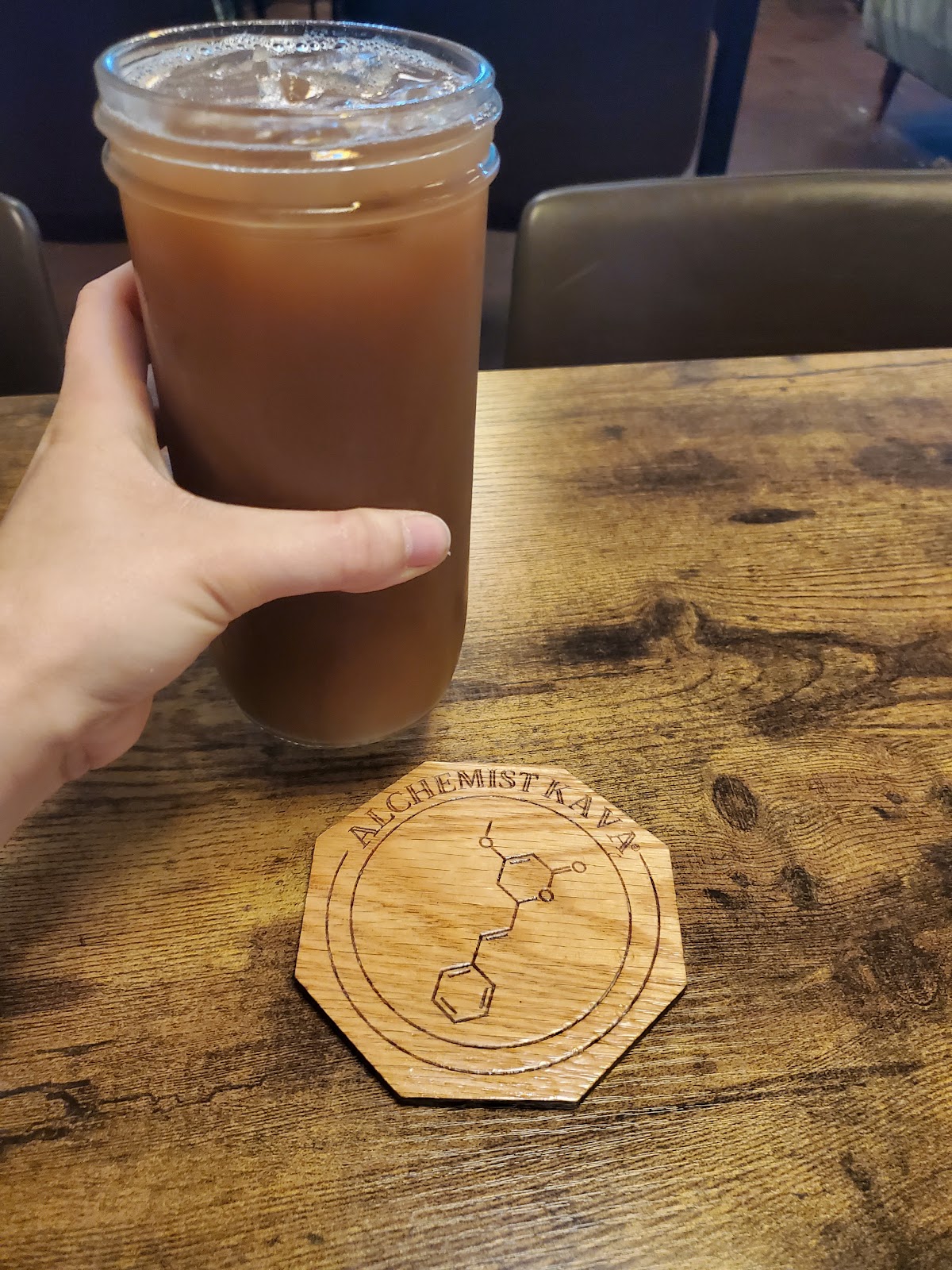
Kava tastes like what it is: ground-up root mixed with water. It's earthy, slightly bitter, and has a consistency that's somewhere between muddy water and thin broth. It is not delicious. The first time I had beer, it wasn't great either. Like Andrew told me on my first visit, you're not drinking it for the flavor.
That said, most kava bars offer ways to make it more palatable. Coconut water is the most common mixer and genuinely helps. Chocolate almond milk works well too. Some places blend kava into smoothies or use extracts to make mocktails.
Having something sweet or fruity alongside your kava is worth doing, not just for taste but because the root's alkaline quality can sit better in your stomach with a counterbalance. Most bars stock teas, kombucha, juices, or some combination. Think of it like having a chaser, except nobody calls it that.
What's on the menu
Kava bar menus vary, but the general structure holds:
Traditional kava is the foundation. This is pressed kava root strained through water — the preparation that's been used across the Pacific for centuries. It comes in shells (half a coconut shell, roughly 4–6 ounces) or bowls (a larger serving you drink from over time). A shell runs anywhere from $6 to $10 depending on the city and the bar. Some places offer different varieties: more uplifting strains for conversation and energy, more sedating ones for deep relaxation. When a bar carries multiple varieties, it's worth asking what each one does and picking based on your mood. Not all bars differentiate — some offer a single house blend — but the ones that do tend to be more thoughtful about the experience overall.
Kava with mixers takes the traditional press and adds coconut water, cacao, fruit juice, or other flavorings. This is where many first-timers start, and for good reason. It softens the taste without diluting the effect much. Expect to pay a couple of dollars more than a straight shell.
Teas and secondary drinks can fill out the rest of the menu. Kombucha, herbal teas, sometimes coffee. These aren't afterthoughts — they're a real part of the experience. Having something sweet to alternate with your kava rounds out the evening and keeps you from hitting the wall too fast.
Some bars also serve light food — fruit, snacks, sometimes more substantial fare. The food isn't the point, but it's nice to have around. Kava on a completely empty stomach can hit harder than expected.
An evening at a kava bar tends to cost less than a comparable night at a cocktail bar. Two or three shells, a mixer, maybe a tea — you're looking at $20 to $35 for a full evening out.
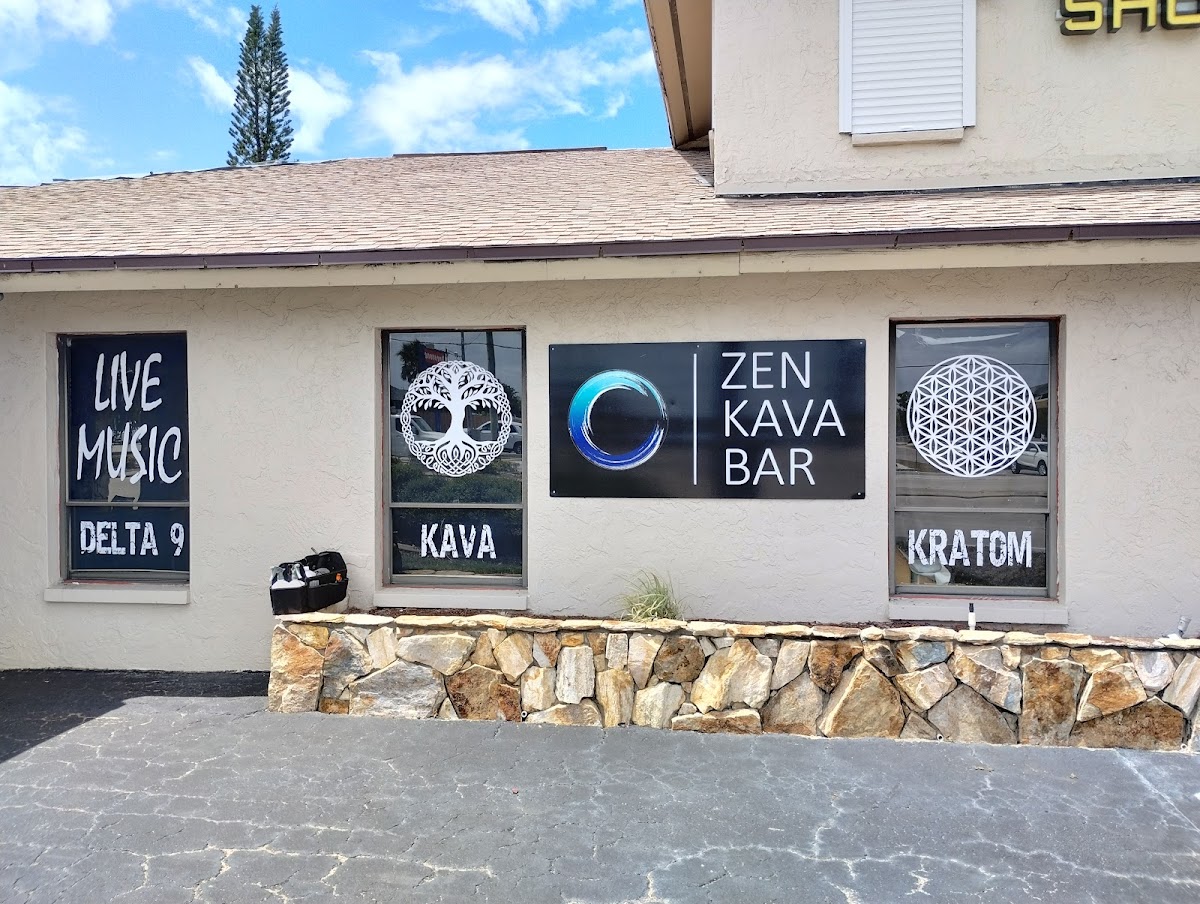
The vibe spectrum
Kava bars are not a monolith. The range is genuinely wide, and part of finding your place is understanding what kind of kava bar you're walking into.
The neighborhood spot. This is the most common type. Low-key, unpretentious, regulars who know each other by name. It functions exactly like a neighborhood pub except without the alcohol. If you're looking for a third place — somewhere to become a fixture — this is probably it.
The upscale lounge. Some kava bars have gone higher-end: polished interiors, curated menus, branded glassware. These tend to attract a crowd that's there for the experience as much as the drink. Nothing wrong with that, but the vibe is different. More date-night, less come-as-you-are.
The traditional spot. A few places lean heavily into Pacific Island heritage. You might find yourself at a bamboo table next to a large communal bowl, surrounded by Fijians and Tongans who drink kava the way it's been drunk for centuries — slowly, in large quantities, late into the night. These places are the most culturally authentic. They can also be the most unfamiliar if you've never encountered kava culture before. Worth experiencing at least once.
The dive. Yes, this exists. A bare-bones setup, minimal decor, kava and not much else. These places survive on regulars and word of mouth. If you find a good one, you've found something.
If you're lucky enough to live somewhere with multiple kava bars, try more than one before you decide where to become a regular. The differences are real.
The unwritten rules
There aren't many, and none of them are complicated.
Be kind. This matters more in kava bars than in most social spaces. A meaningful percentage of the people in the room chose this place specifically because they're not drinking alcohol — for reasons that range from casual preference to serious personal history. You don't know anyone's story. Be generous about that.
Tip. The bartender just spent five minutes explaining what kava is and which strain matches your mood. Tip like you would at any bar.
You can say bula. It's a Fijian greeting that's become the loose equivalent of "cheers" in kava culture.
You can stay a while. Unlike a restaurant or a busy cocktail bar, kava bars are designed for lingering. Nobody is timing your visit. Stay for one shell or stay for three hours. Both are fine.
What a kava bar is not
It's not a place to get high. Kava produces a mild effect — comparable in intensity to a couple of cups of chamomile tea, if chamomile tea actually made you want to talk to people. Anyone expecting something dramatic will be underwhelmed, and that's by design. The experience is gentle. The value compounds over repeated visits, not from any single shell.
Why this is actually the point
The part of the kava bar experience that's hardest to convey in a guide is also the part that matters most: what it feels like to become a regular.
The first few visits, you'll probably keep to yourself. Maybe talk to the bartender. Maybe exchange a few sentences with whoever's sitting next to you. If you're anything like me, you'll feel some low-grade anxiety about the whole thing because you're used to having a beer in your hand as a social prop and now you don't have one.
Then you start seeing the same people. Not by arrangement — just because they also come on Tuesday evenings, or Saturday afternoons, or whenever your rhythm happens to coincide. You learn a name. You have a real conversation. You show up one night and someone waves you over. At no point did anyone schedule a friendship or download an app. It just happened, the way it used to happen when you were younger, because you kept showing up to the same place.
Pacific Island cultures have been doing this with kava for over a thousand years. The preparation is communal. The serving is sequential. The effect makes people want to talk. None of that is accidental. The kava bar, at its best, is a place that takes those conditions seriously and builds a room around them.
Not every kava bar achieves this. Some are better at it than others. But the ones that get it right produce something that's become genuinely rare in adult social life: a place where community happens as a byproduct of showing up.
Find one
We built KavaFam because we thought there should be one directory that actually listed every kava bar in the country — mapped, searchable, and maintained by the community that uses them. Find a kava bar near you.